
September 23, 2026
Panic Attacks and Panic Disorder: When Fear Starts Controlling Your Life
Learn the signs of panic attacks and panic disorder, why avoidance can make symptoms worse, and how professional anxiety treatment can help.
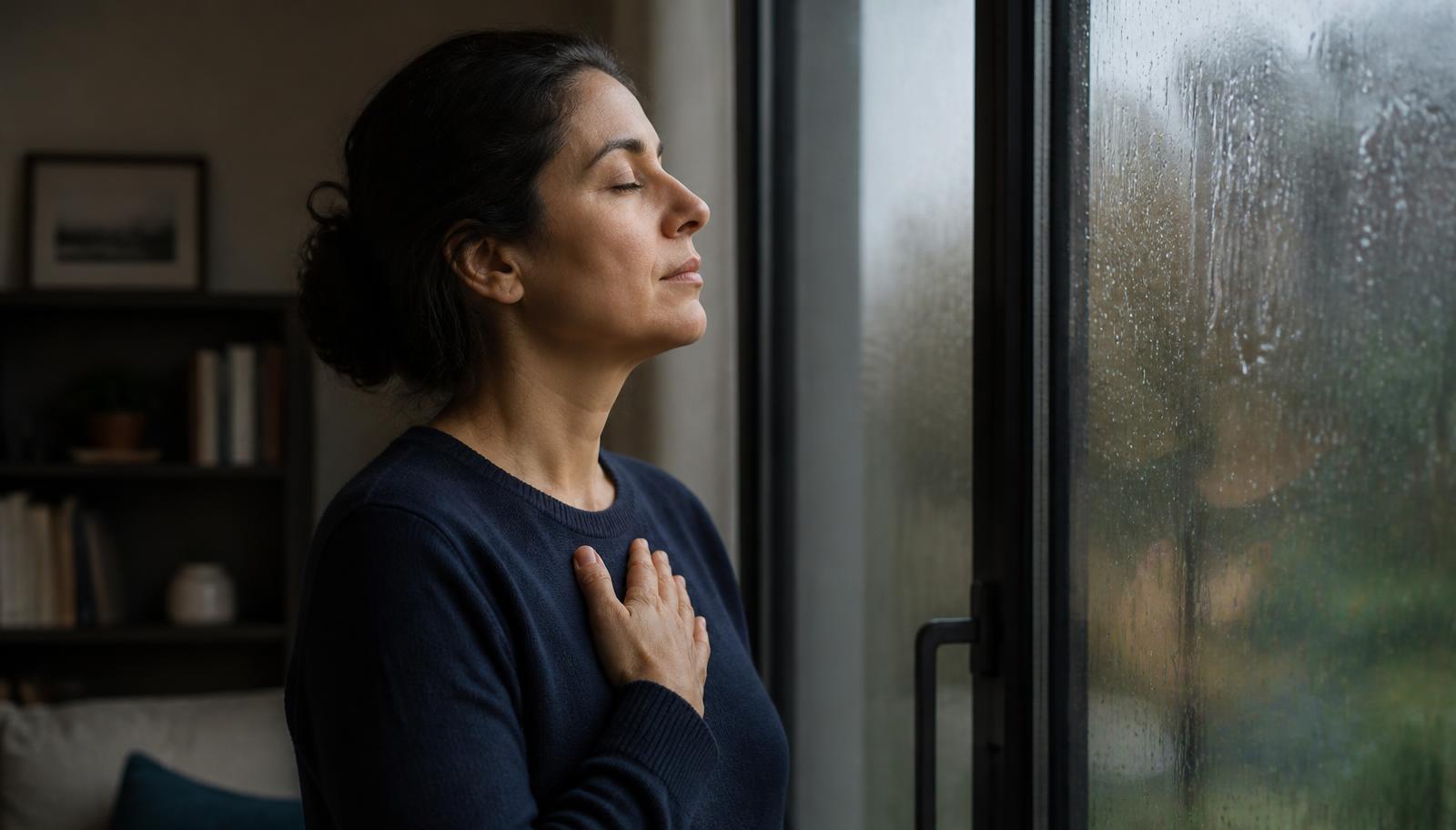
A panic attack can be frightening, particularly when it happens unexpectedly. A racing heart, shortness of breath, dizziness, shaking, nausea, chest discomfort, or an overwhelming sense of danger can make someone believe something is seriously wrong.
For some people, a panic attack happens once during a particularly stressful period and never returns. For others, repeated panic attacks lead to an ongoing fear of experiencing another one.
That cycle can develop into panic disorder and begin significantly restricting everyday life.
Professional anxiety treatment can help individuals understand panic symptoms and learn strategies for responding differently to fear.
What Happens During a Panic Attack?
Panic attacks involve an intense surge of fear or discomfort that can produce significant physical and emotional symptoms. Common symptoms can include:
- Rapid heartbeat
- Sweating
- Trembling
- Shortness of breath
- Chest discomfort
- Dizziness
- Nausea
- Chills or feeling overheated
- Tingling sensations
- Feeling detached from surroundings
- Fear of losing control
- Fear that something terrible is about to happen
Because panic attacks can involve physical symptoms, people experiencing new or unexplained symptoms should not automatically assume anxiety is the cause. Medical evaluation may be appropriate to rule out other conditions.
When Panic Attacks Become Panic Disorder
One panic attack does not necessarily mean someone has panic disorder.
The larger problem often develops when someone begins fearing the next attack.
Imagine having a panic attack while driving. Even after the episode ends, you may begin worrying that it will happen again. You might avoid highways, then unfamiliar roads, then driving alone.
The same pattern can occur after a panic attack in a grocery store, restaurant, airplane, workplace, or crowded environment.
Over time, life becomes organized around preventing panic.
The Role of Avoidance
Avoidance can provide immediate relief, which makes it extremely tempting.
If entering a crowded store produces intense anxiety, leaving the store makes the anxiety decrease. The brain can begin learning that leaving was what kept you safe.
The next time you encounter a similar situation, anxiety may become even stronger.
This is one reason evidence-based anxiety treatment often focuses not only on reducing symptoms but also on changing the behaviors that reinforce fear.
Treatment may incorporate CBT, exposure-based strategies, mindfulness techniques, distress tolerance skills, and psychiatric support when appropriate.
Panic Disorder and Agoraphobia
Some people with panic disorder develop agoraphobia, which involves significant fear or avoidance of situations where escape may feel difficult or help may seem unavailable.
This can include public transportation, crowded spaces, standing in line, being far from home, or being outside the home alone.
In severe cases, a person may become largely homebound.
When panic or agoraphobia substantially limits daily functioning, a more structured level of residential mental health treatment may be appropriate.
A residential setting allows individuals to focus on treatment while receiving consistent therapeutic and psychiatric support.
Panic and Depression
Repeated panic attacks can take a toll on emotional well-being.
Someone who previously enjoyed traveling, socializing, exercising, or attending events may gradually stop participating because of fear. Losing those parts of life can contribute to loneliness, frustration, hopelessness, or depression.
When symptoms overlap, Hillside can address both anxiety and depression within an individualized treatment plan.
Identifying co-occurring conditions can be an important part of developing an effective approach to care.
Using Substances to Manage Panic
Some people begin using alcohol or medications to reduce anticipatory anxiety.
For example, someone may drink before attending a social event because they fear having a panic attack. Others may become increasingly reliant on sedative medications.
Although these strategies may provide temporary relief, substance use can create additional mental health and physical health concerns.
When anxiety and substance use occur together, dual diagnosis care can address both concerns rather than treating them as unrelated problems.
Hillside also provides specialized treatment for sedative and benzodiazepine use when dependence or misuse has become part of the clinical picture.
Can Panic Disorder Get Better?
Panic disorder is treatable.
Treatment focuses on changing the relationship between physical sensations, fearful thoughts, and avoidance behaviors. Over time, individuals can learn that uncomfortable anxiety sensations do not always signal danger and that fear can be tolerated without allowing it to dictate every decision.
Hillside Wellness Center provides multiple levels of behavioral health care for adults experiencing severe anxiety, panic disorder, and co-occurring mental health conditions.
If panic attacks have started determining where you go, who you see, whether you drive, or how far you are willing to travel from home, professional treatment may help you begin expanding your life again.


