
October 9, 2026
Why Anxiety Can Get Worse at Night and How Treatment Can Help
Discover why anxiety may feel worse at night, how sleep and anxious thoughts can reinforce each other, and when anxiety treatment may help.
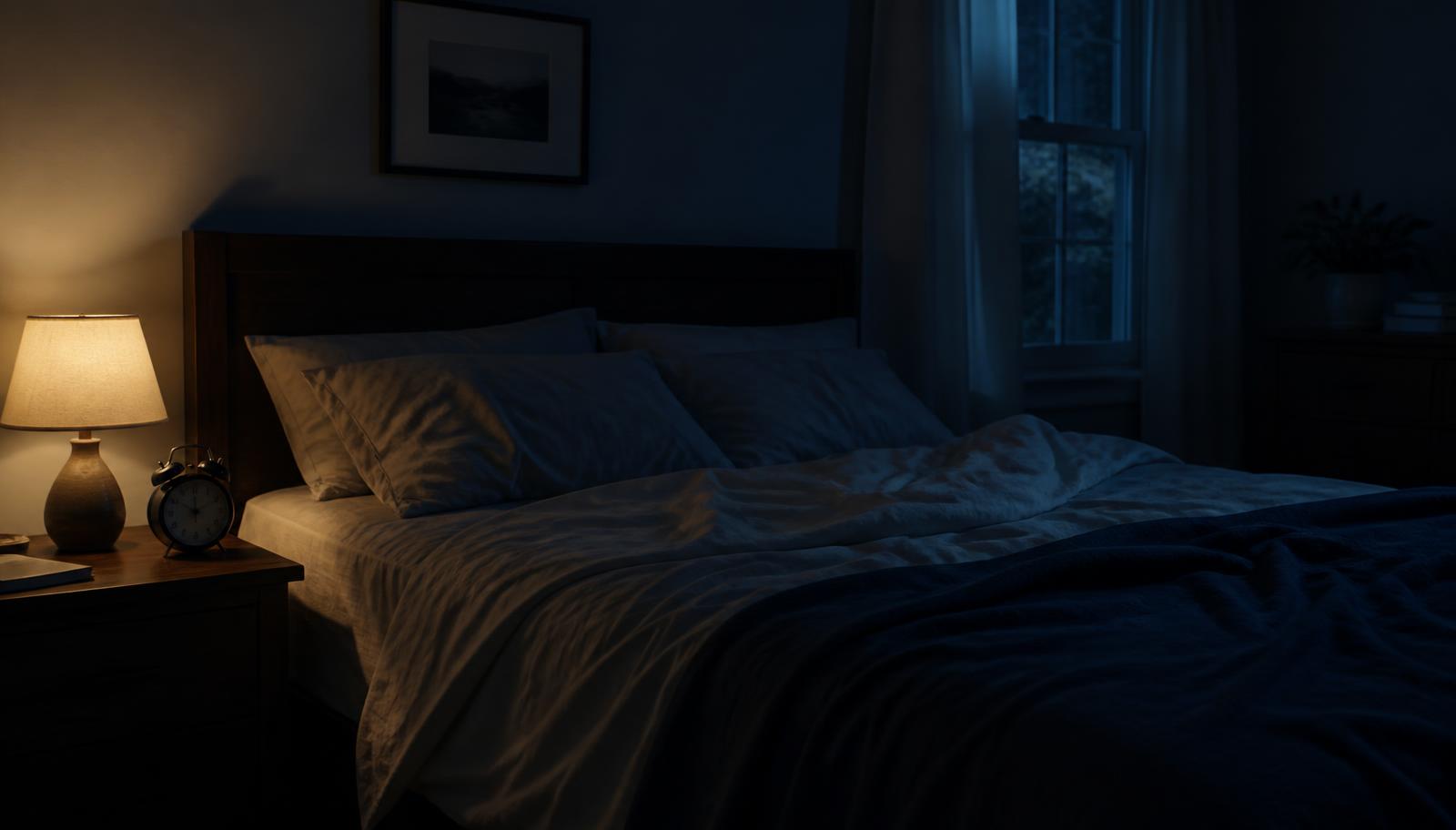
For some people with anxiety, daytime can feel manageable. Work, errands, conversations, and responsibilities provide distractions that keep anxious thoughts in the background.
Then nighttime arrives.
The house becomes quiet, distractions disappear, and suddenly every concern from the day seems to demand attention at once.
Nighttime anxiety can make it difficult to fall asleep, cause repeated waking, or create dread about going to bed in the first place. When this pattern continues, anxiety and poor sleep can begin reinforcing one another.
Understanding that cycle is an important part of effective anxiety treatment.
Why Anxiety May Feel Stronger at Night
There is not one universal reason anxiety increases at night.
For many people, the issue is simply that there are fewer distractions. During the day, attention is divided among work, family, phones, conversations, driving, appointments, and other responsibilities.
At night, those distractions disappear.
A concern that seemed manageable at 2 p.m. can suddenly feel enormous at midnight.
People may replay conversations, worry about tomorrow's responsibilities, think about financial concerns, monitor physical sensations, or imagine worst-case scenarios.
Trying to force those thoughts away can sometimes make them feel even more persistent.
Anxiety and the Sleep Cycle
Sleep and anxiety have a complicated relationship.
Anxiety can make sleeping difficult, while inadequate sleep can make it harder to manage emotions and stress the following day.
After several bad nights, people can even begin developing anxiety about sleep itself.
They may look at the clock and calculate how many hours remain before morning. They may worry about how tired they will feel the next day. Eventually, getting into bed becomes associated with pressure and frustration rather than rest.
This creates another anxiety cycle.
Generalized Anxiety and Nighttime Worry
People with generalized anxiety disorder may be particularly vulnerable to nighttime overthinking.
GAD can involve persistent worries across multiple areas of life. Without daytime distractions, those concerns may become more noticeable.
Someone may move rapidly between worries about work, health, finances, relationships, family, and future events.
Professional treatment can help individuals recognize these patterns and develop healthier ways of responding to anxious thoughts rather than spending hours trying to solve every possible future problem.
Trauma Can Affect Sleep Too
Not all nighttime anxiety is generalized anxiety.
People living with trauma may experience hypervigilance, nightmares, intrusive memories, or difficulty feeling safe enough to sleep.
When trauma is contributing to anxiety and sleep disruption, specialized PTSD and trauma treatment may be appropriate.
Trauma-informed treatment can focus on stabilization, emotional regulation, and evidence-based approaches for trauma-related symptoms.
OCD and Nighttime Anxiety
OCD can also become particularly disruptive at bedtime.
Without other activities competing for attention, intrusive thoughts may become more noticeable. Someone may feel compelled to repeatedly check doors, appliances, alarms, or other items before they can sleep.
Others may mentally review events from the day or repeatedly seek certainty that they did not make a mistake or cause harm.
Hillside provides specialized OCD treatment, including evidence-based approaches such as Exposure and Response Prevention and CBT.
Identifying whether nighttime anxiety is related to GAD, OCD, trauma, panic disorder, depression, or another condition can help guide treatment.
Be Careful About Self-Medicating Anxiety at Night
When someone struggles to sleep night after night, alcohol or sedating medications can begin to look like an easy solution.
A person might drink before bed because it temporarily makes them feel relaxed. Others may become increasingly reliant on prescription sedatives.
Using substances to manage anxiety or sleep can become problematic, particularly when someone begins needing them regularly or increasing the amount used.
Hillside offers dual diagnosis treatment when anxiety occurs alongside a substance use disorder.
For individuals experiencing problems related specifically to sedative medications, sedative and benzodiazepine use treatment can address both substance use and the anxiety or sleep concerns that may have contributed to it.
How Anxiety Treatment Can Improve the Bigger Picture
Effective anxiety treatment does more than provide techniques for getting through one difficult night.
Treatment can help identify the thoughts, behaviors, triggers, and underlying conditions that keep anxiety active.
Depending on individual needs, treatment may incorporate CBT, mindfulness-based techniques, DBT skills, exposure-based therapy, psychiatric medication management, group therapy, and strategies for improving daily routines.
For adults whose anxiety has become severe or difficult to manage through weekly therapy alone, residential mental health treatment provides a structured environment with consistent clinical support.
Hillside also offers multiple behavioral health treatment programs based on individual symptoms and level-of-care needs.
When Nighttime Anxiety Is More Than a Bad Night
Almost everyone has occasional nights when stress makes sleeping difficult.
The concern is when the pattern becomes persistent.
If you regularly spend hours awake worrying, dread going to bed, rely on substances or medications to sleep, or find that exhaustion is interfering with your ability to function during the day, it may be worth discussing your symptoms with a mental health professional.
Anxiety does not have to reach its worst possible point before treatment becomes appropriate.
Understanding what is driving nighttime anxiety is often the first step toward changing the cycle and finding a treatment approach that supports both emotional health and more stable daily functioning.


